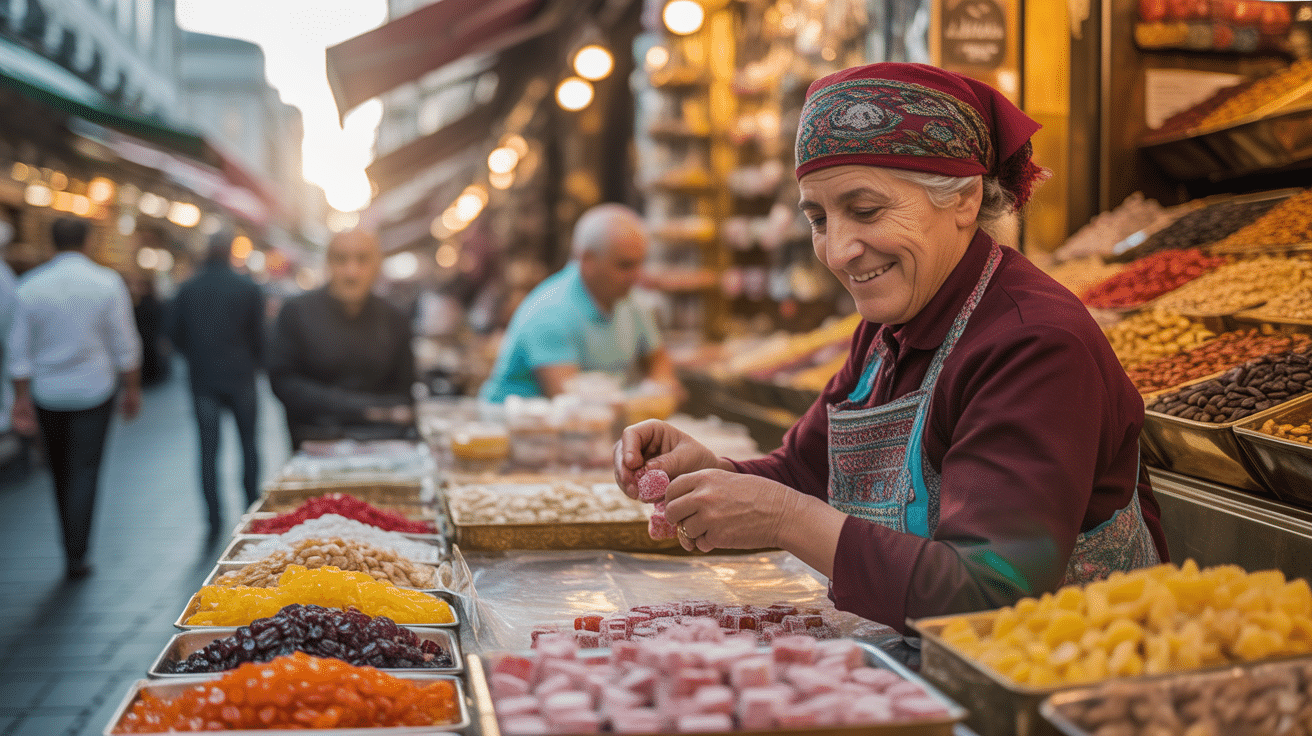
Exploring Local Traditions and Customs in Istanbul.
Respect for Elders and Family.
Respect for elders and family values is deeply embedded in Turkish society.
- Elder Respect: Young people often demonstrate respect for their elders by kissing the right hand of an elder and then touching it to their forehead.
- Family Importance: Family celebrations and gatherings play a vital role in everyday life, influencing holidays and significant events. Understanding this aspect of culture is essential for anyone looking to integrate into Turkish society.
Mosque Etiquette.
Istanbul is home to numerous historic mosques, and etiquette when visiting these sacred sites should be observed:
- Remove Shoes: Before entering the prayer hall, it is customary to remove your shoes.
- Dress Appropriately: Women should cover their hair, shoulders, and knees; scarves may be provided at mosque entrances.
- Timings: Visitors should avoid mosque visits during prayer times, especially at noon on Fridays, to respect the ongoing religious practices.
Traditional Turkish Bath (Hamam).
The Turkish bath, or hamam, is more than just a place for bathing; it’s a social hub where life unfolds in relaxation and conversation.
- Cultural Significance: Originating from the Ottoman era, hamams offer a glimpse into communal life in Istanbul and serve as both a personal retreat and a meeting spot for friends.
- Experience: Engaging with this tradition can offer students a unique and refreshing experience, connecting them to the historical and social nuances of Turkish culture.
Festivals and Ramadan.
Understanding local festivals, particularly Ramadan, is crucial for international students.
- Ramadan: This holy month involves fasting from dawn until sunset, with families gathering for the iftar meal to break the fast each evening.
- Community Spirit: Many restaurants create special iftar menus during this period, presenting an excellent opportunity for students to enjoy authentic Turkish cuisine and experience this profound cultural celebration.
Dress Code and Conduct.
While Istanbul is known for its cosmopolitan nature, it’s important to observe the local dress code.
- Appropriate Attire: Conservative dress is appreciated in religious sites, while smart-casual clothing is suitable for upscale venues.
- Public Displays of Affection: Modesty is valued, and it is wise to follow local cues regarding displays of affection.
Arts and Handicrafts.
The rich tradition of arts and handicrafts is prevalent in Istanbul, portraying the country’s cultural history.
- Weaving Carpets and Kilims: This is an enduring aspect of Turkish culture, with distinct patterns and techniques originating from various regions, including Istanbul. These textiles often adorn homes and public spaces, offering international students a window into local artistry.
- Cultural Appreciation: Exploring these crafts provides additional cultural education and can result in supportive connections within the local community.
Summary Table: Key Traditions in Istanbul.
| Tradition | Description |
|---|---|
| Turkish Tea Culture | Sign of hospitality; always accept when offered |
| Mosque Etiquette | Remove shoes, proper attire, avoid prayer times |
| Greetings & Address | Handshakes, honorifics (“Bey”, “Hanım”), respect for elders |
| Turkish Bath (Hamam) | Social and personal relaxation tradition |
| Ramadan/Iftar | Community meals at sunset during Ramadan |
| Weaving Carpets & Kilims | Important cultural art, distinct Istanbul and regional styles |
| Dress Code | Conservative for religious sites, smart-casual elsewhere |
Take the Next Step with Study in Turkiye.
Embrace the opportunity of studying in Turkiye and immerse yourself in the wonderful culture and traditions that enrich this magnificent country.